
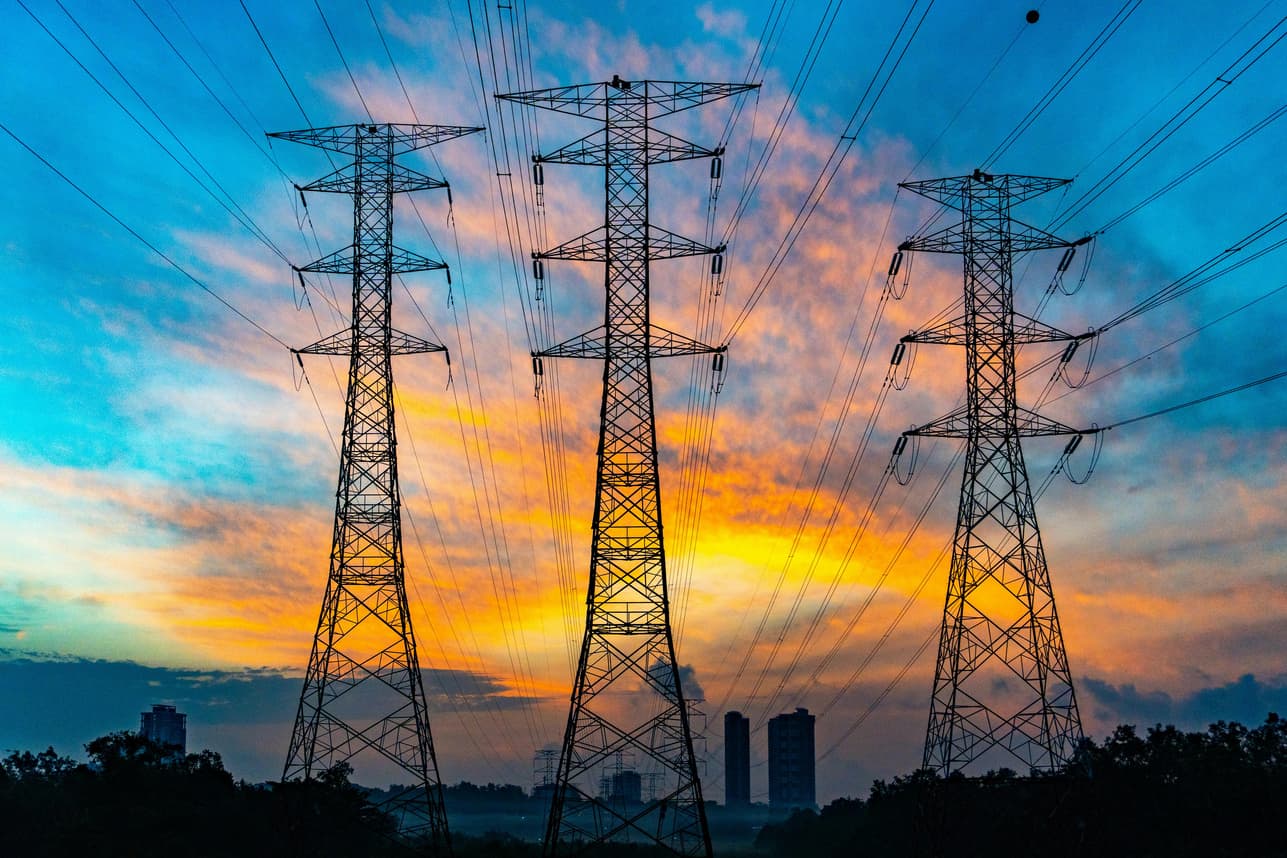
Energy
Electric-power and water permits are the gatekeepers of any industrial launch — secured through GP&H's direct interlocution with the Mexican authorities.
In energy projects, the schedule is set by the authorities, not the contractor. Interconnection to the national grid runs through CFE and the grid operator CENACE — feasibility studies, capacity assessments, connection agreements — and water for industrial processes requires a concession from CONAGUA, in a country where many basins are already under restriction. These lead times are routinely longer than the time it takes to build the plant itself, which is why the permitting file has to start before the engineering does.
The land is the other half of the risk. A site can be technically perfect and legally unusable: agrarian (ejido) history that was never regularized, land-use classifications that exclude industrial generation, easements and rights of way that were promised but never registered. We condition every land document — purchase, lease, easement — on the project actually being permittable there, so the client never owns a site the project cannot use.
Mexico's energy regulatory framework has been through successive structural reforms, and the allocation of authority among the sector's institutions has shifted in recent years. Part of our work is precisely to verify, at the moment of each filing, which authority holds the pen — and to build permitting strategies that survive the reorganizations around them.
What we cover
- 01Electric-power supply permits (CFE)
- 02Water-use concessions (CONAGUA)
- 03Renewable energy contracts
- 04Interconnection agreements
- 05Environmental impact assessments
- 06Regulatory interlocution with authorities